
Sunlit shelves of leather-bound catalogs in a dust-filled archive
Chapter II·The Heritage Archive

A living record of the American West.

Catalogs, oral histories, tools, photographs, maker's marks, museum partnerships, and a nationwide map of craftsmen and heritage locations — searchable, free, and growing.

Chapter II.i·Interactive Timeline

One hundred and fifty years.

  1. 1866

    The first cattle drive on the Chisholm Trail sets the template for the working cowboy.

  2. 1889

    The Meanea saddle shop opens in Cheyenne, defining the Wyoming-style saddle.

  3. 1911

    N. Porter Saddle Co. becomes the largest maker west of the Mississippi.

  4. 1954

    Billy Cook begins his career at Ryon's in Fort Worth, learning the tree.

  5. 1969

    Billy Cook opens his own shop in Sulphur, Oklahoma.

  6. 2003

    The last of the great mail-order saddle catalogs is discontinued.

  7. 2024

    Adam Trenk revives Genuine Billy Cook and begins The Last Saddle Maker project.

Chapter II.ii·Searchable Collections

Search the record.

12 of 12
The Meanea Catalog, 1889
Catalogs · 1889

The Meanea Catalog, 1889

The first mail-order catalog from the Meanea shop in Cheyenne, defining the Wyoming saddle.

N. Porter Trade Catalog
Catalogs · 1911

N. Porter Trade Catalog

The Phoenix maker's leather goods catalog at the height of its production.
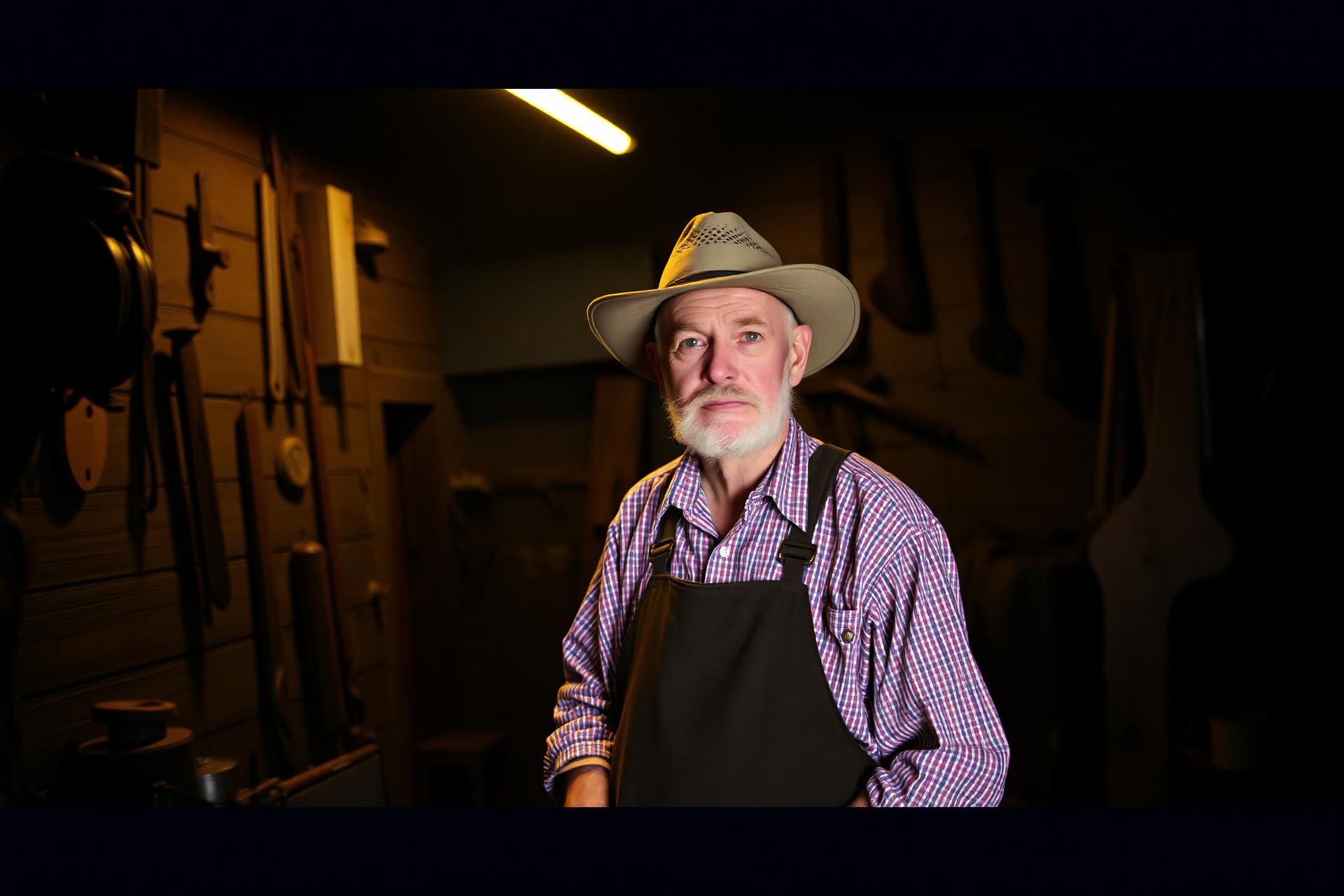
Ryon's of Fort Worth
Catalogs · 1954

Ryon's of Fort Worth

The catalog Billy Cook trained inside — reprinted from the original plates.
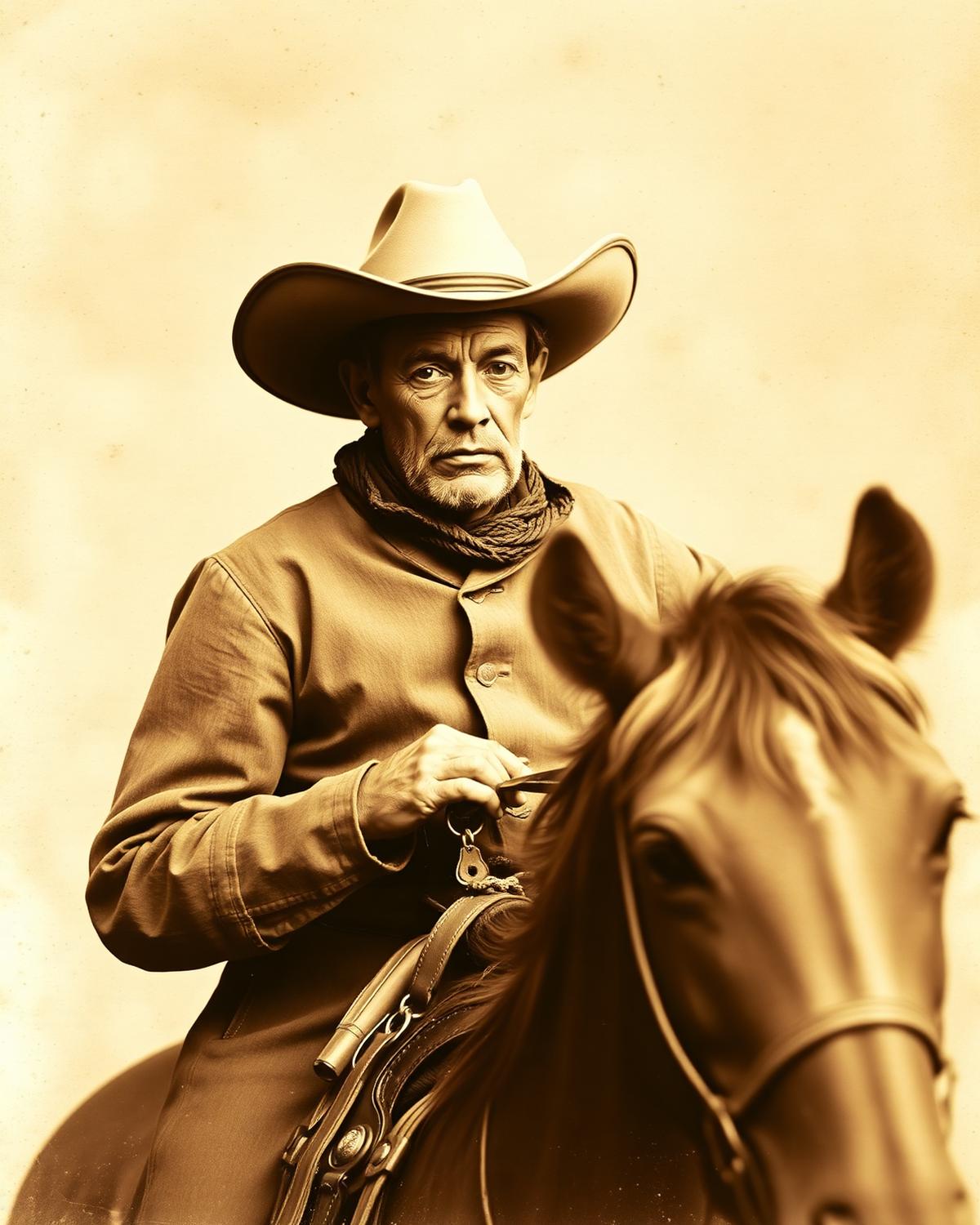
Cheyenne Cowboy, c. 1902
Photographs · c. 1902

Cheyenne Cowboy, c. 1902

Studio portrait of a working hand mounted on a Meanea rig.
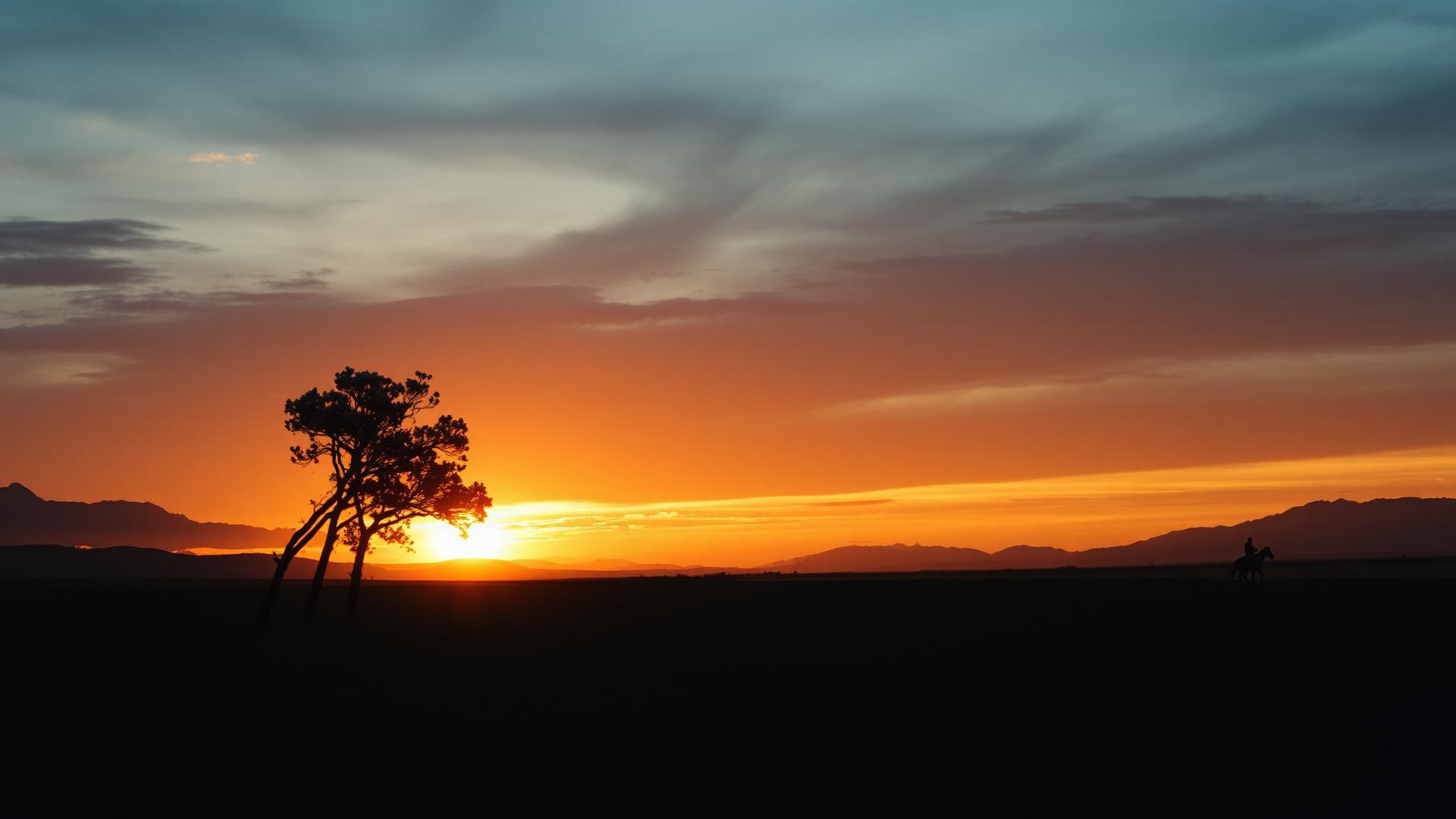
Panhandle Cattle Drive
Photographs · 1927

Panhandle Cattle Drive

The last generation of open-range drives, photographed on the XIT.
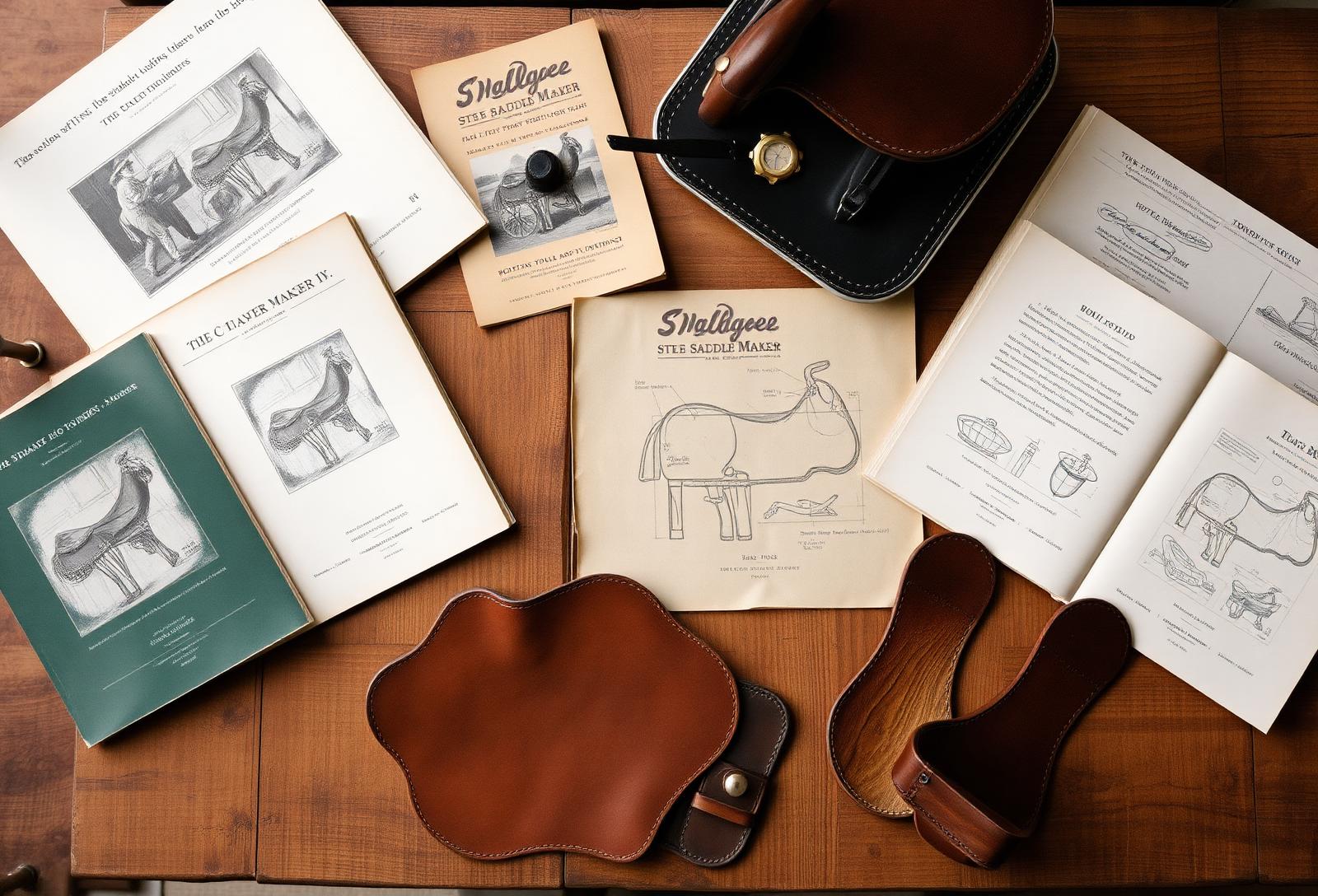
Billy Cook — Oral History
Oral Histories · 1984

Billy Cook — Oral History

A three-hour recorded conversation with Billy Cook near the end of his life.
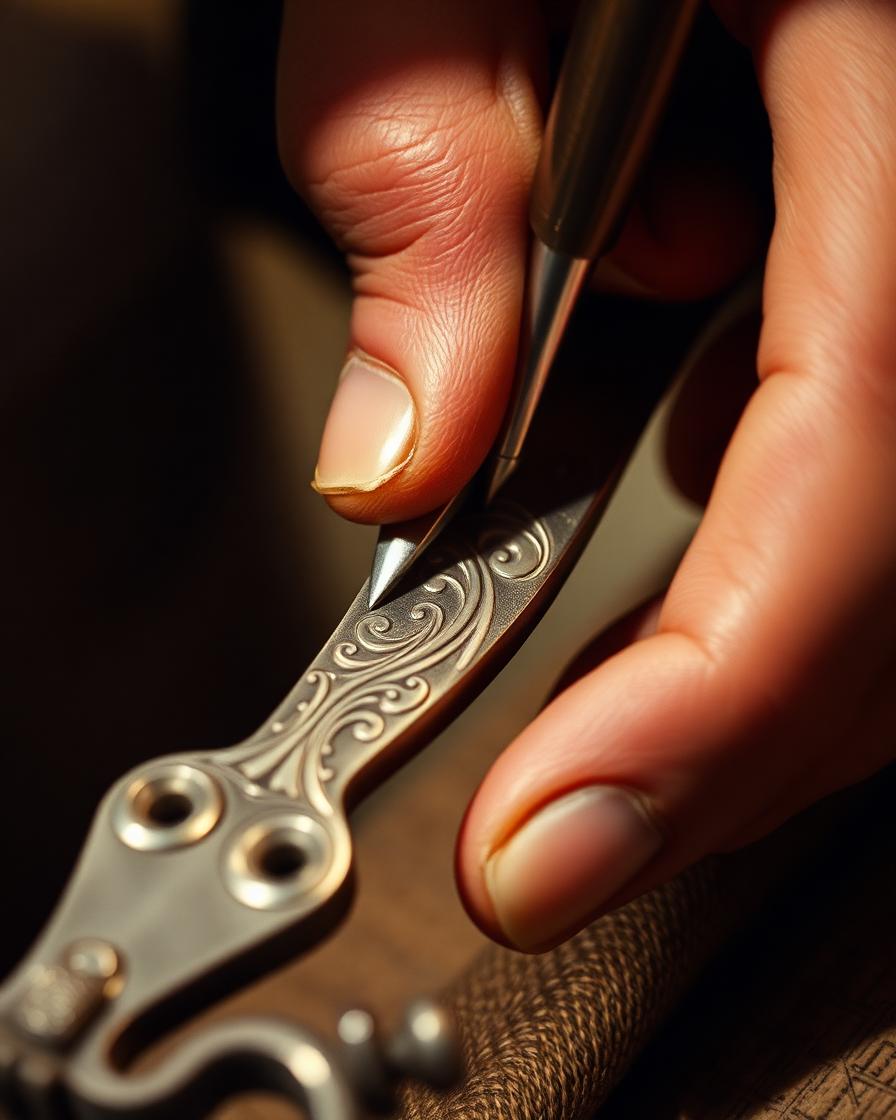
A Silversmith Remembers
Oral Histories · 1968

A Silversmith Remembers

A Sheridan silversmith describes learning the trade before the war.
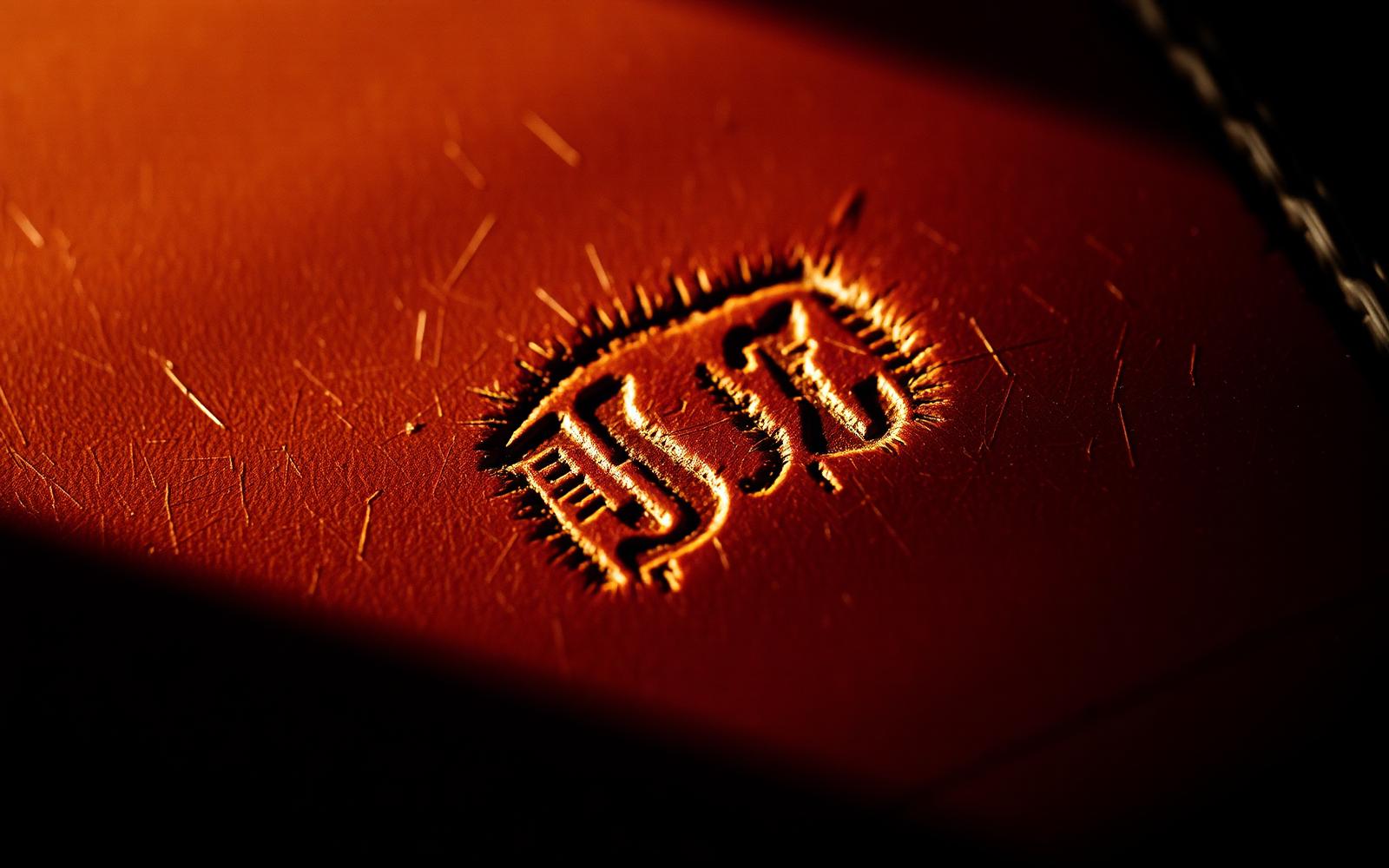
The Stamp Collection
Tools · 1930–1960

The Stamp Collection

Photographs of the hand-stamps used in the great Oklahoma shops.

Fitting the Tree
Techniques · Ongoing

Fitting the Tree

The single most important measurement in a working saddle, documented step by step.

The Billy Cook Maker's Mark
Maker Marks · 1969–

The Billy Cook Maker's Mark

The evolution of the shop's stamped mark across five decades.

N. Porter Mark
Maker Marks · 1900–1940

N. Porter Mark

The distinctive banner mark of the Phoenix maker.

National Cowboy Museum
Museums · Ongoing

National Cowboy Museum

A partnership documenting the museum's saddle and silver collection.

Chapter II.iii·Maker's Marks

A signature struck in leather.

Every serious shop carries its own stamped mark — a lineage as distinct as a signature. We're photographing and cataloging the marks of the great American makers, past and present.

Maker's mark
Maker's mark
Maker's mark
Maker's mark
Chapter II.iv·Oral Histories

Voices from the workshop.

Billy Cook
Sulphur, OK
3:14:22 · 1984
A Sheridan Silversmith
Sheridan, WY
1:42:08 · 1968
The El Paso Bootmaker
El Paso, TX
0:58:41 · 1991
A Ranch Foreman
Ochiltree County, TX
2:07:19 · 2001
Chapter II.v·Nationwide Heritage Map

The country, mapped by craft.

Every maker, ranch, and museum in the archive, plotted on the land where the work lives.

Genuine Billy Cook WorkshopMeanea Shop (Historical)N. Porter Saddle Co. (Historical)Ryon's of Fort WorthSheridan SilversmithsThe XIT RanchW.T. Waggoner EstateNational Cowboy & Western Heritage MuseumBuffalo Bill Center of the WestAutry Museum of the American WestDesert Caballeros Western MuseumPanhandle-Plains Historical Museum
Nationwide Heritage Map — 12 locations
Chapter II.vi·Museum Partnerships

In partnership with the institutions keeping the record.